



MARIC Gala Dinner 2025 Signals a More Collaborative, Technology-Driven Future for Malaysia’s Rail Industry

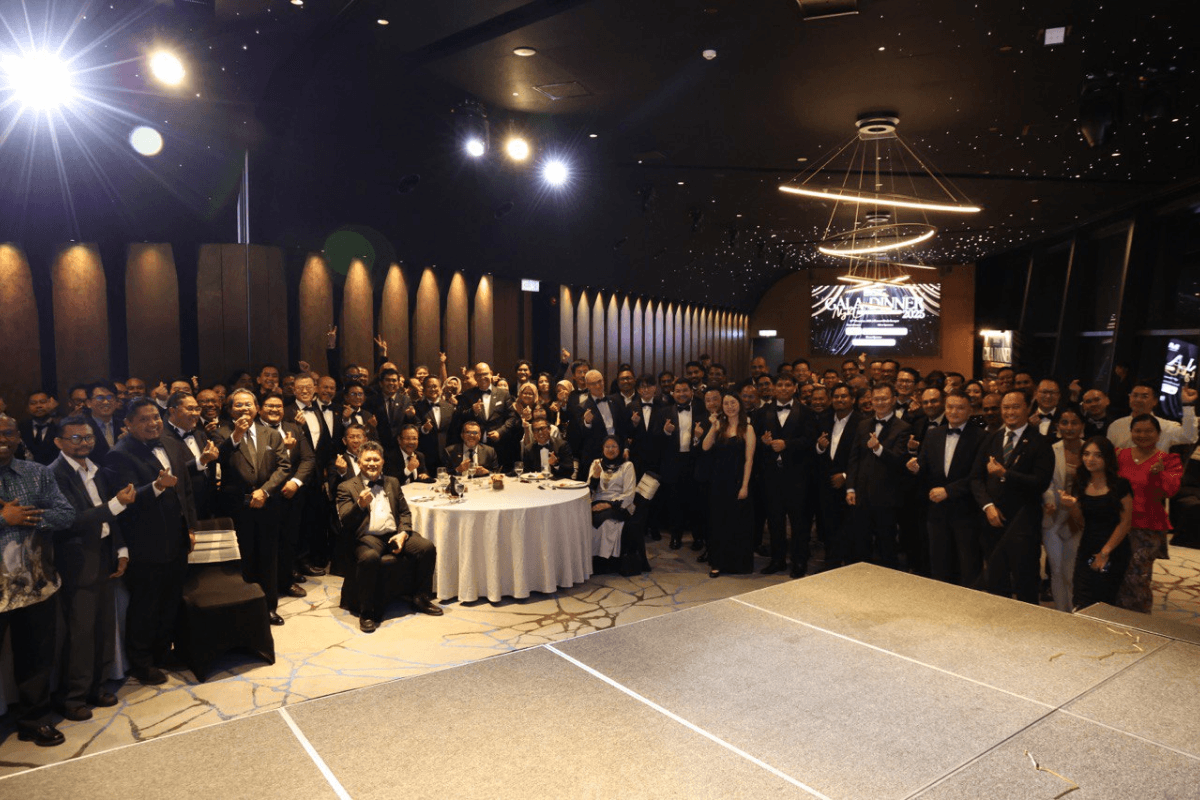
The gala brought together a broad cross-section of stakeholders, including representatives from government agencies, rail operators, manufacturers, technology providers, and educational institutions. It served as a platform to recognise industry achievements, strengthen partnerships, and reaffirm a shared commitment to innovation and talent development within the national rail ecosystem.

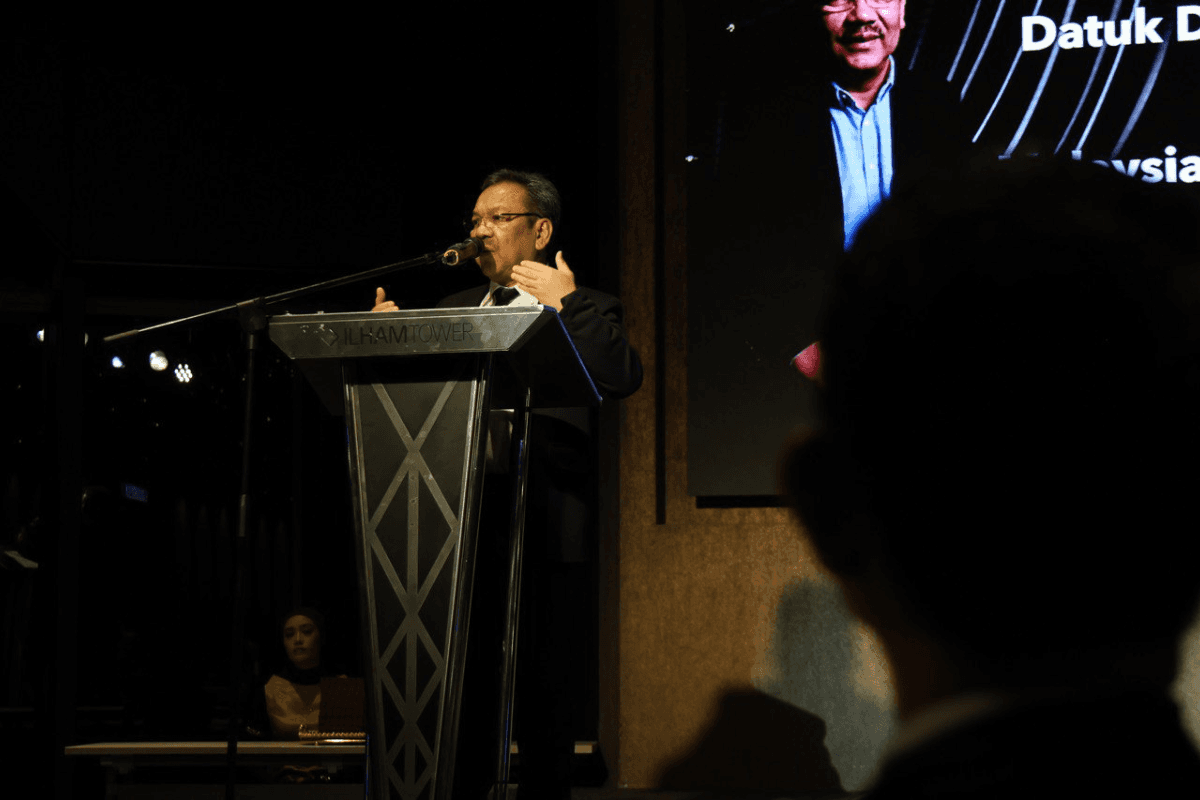
Opening the evening, Deputy Minister of Transport YB Datuk Haji Hasbi bin Haji Habibollah underscored the importance of sustained collaboration between policymakers, industry players, and academia.

“The success of our rail ambitions depends not only on infrastructure, but on strong collaboration between government, industry, and academia,” he said. His remarks echoed a broader national priority: ensuring that infrastructure investment is matched by local capability-building, particularly as rail systems become increasingly digital, automated, and data-driven.

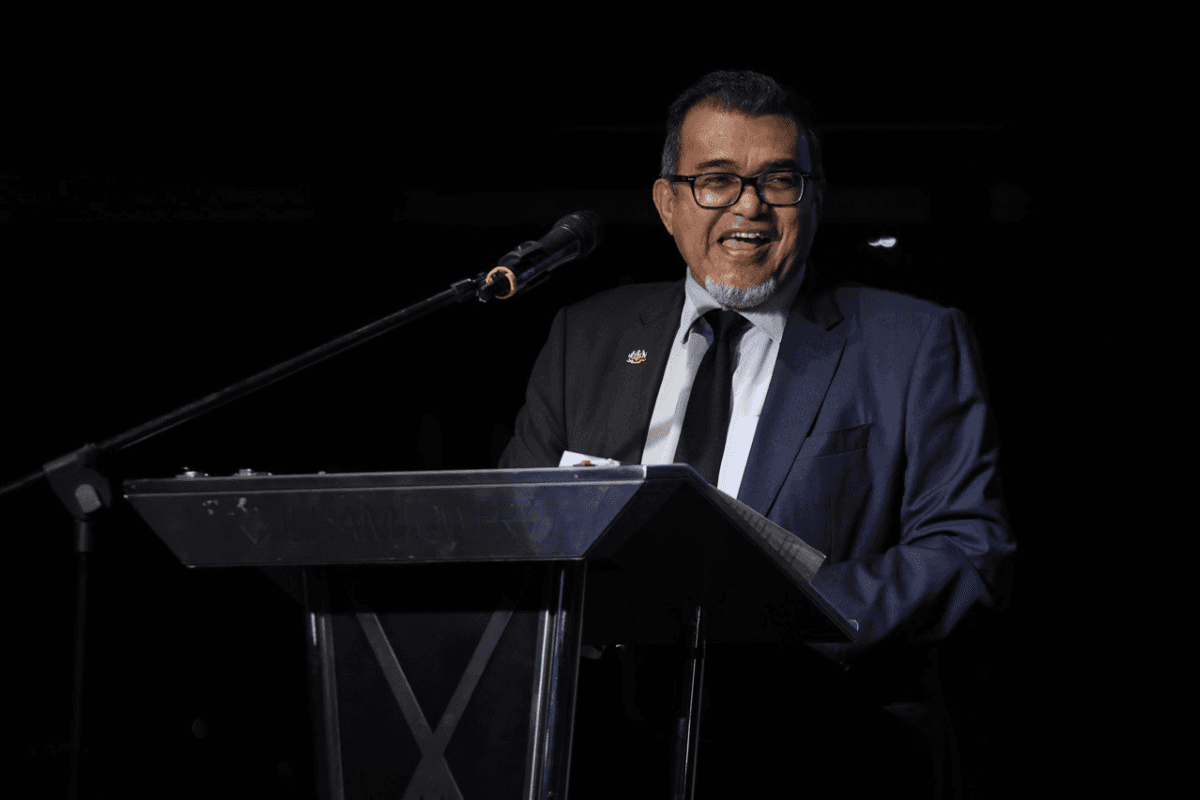
Delivering the keynote address, MARIC President Dr. Mohd Yusoff Sulaiman, F.CLT, emphasised that Malaysia’s rail ambitions can only be realised through close collaboration across all pillars of the ecosystem. Dr. Mohd Yusoff highlighted that such collaboration is critical not only for infrastructure delivery, but also for nurturing innovation, developing talent, and strengthening local rail capabilities.

“Malaysia has the capability to develop and deliver competitive rail solutions. Our focus now is to ensure these local innovations are recognised, trusted, and adopted both domestically and internationally,” he added.

He noted that empowering local companies reduces reliance on imports, builds long-term resilience, and positions Malaysia as a credible rail solutions provider within ASEAN and beyond.

Dr. Mohd Yusoff also expressed appreciation to the Malaysia External Trade Development Corporation (MATRADE) for its role in supporting MARIC and local rail companies in their international expansion efforts. MATRADE’s facilitation of global exposure, trade missions, and export platforms has been instrumental in helping Malaysian rail firms showcase their capabilities and compete on the world stage.

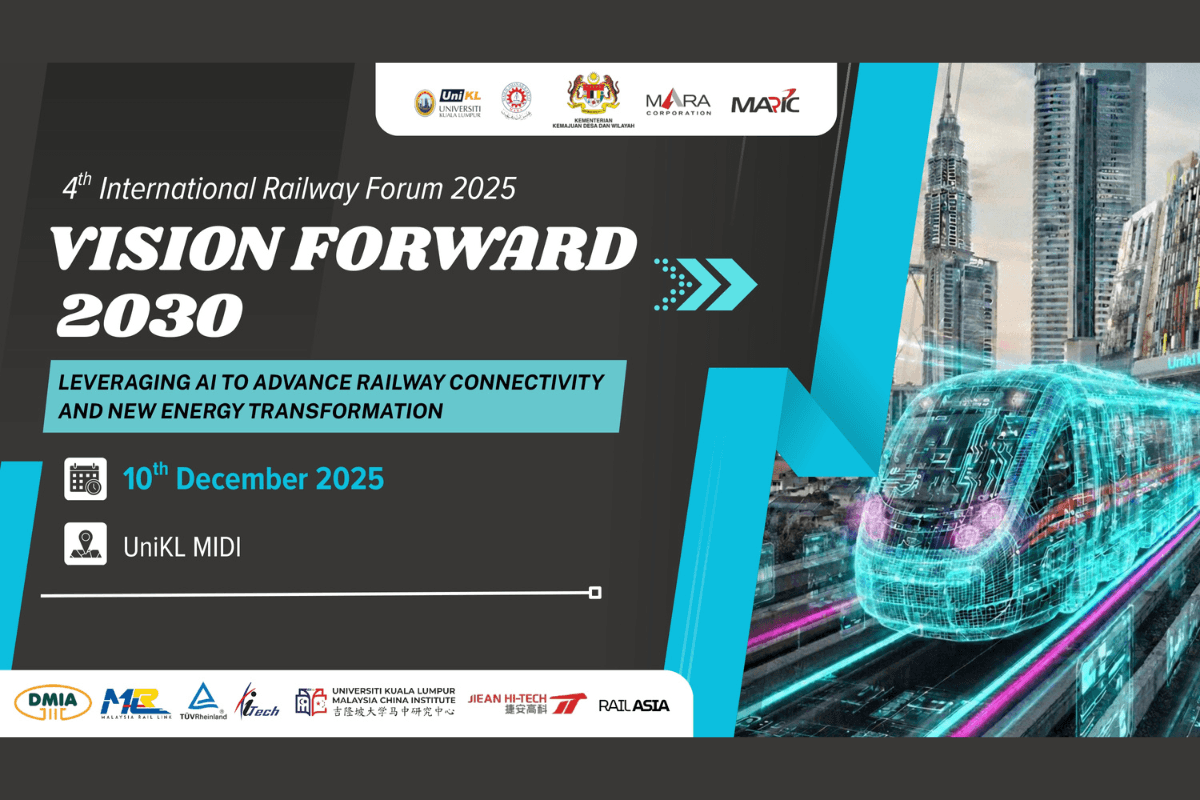
The gala dinner also marked the conclusion of the 4th International Railway Forum 2025, themed “Vision Forward 2030: Leveraging AI to Advance Railway Connectivity and New Energy Transformation.”

In his address, Prof. Ir. Dr. Azman bin Senin, President and Chief Executive Officer of Universiti Kuala Lumpur (UniKL), reaffirmed the institution’s commitment to industry-driven education and talent development. He stressed that Malaysia’s rail ambitions require engineers, technologists, and managers who are not only technically proficient, but also industry-ready and globally competitive.

Beyond formal speeches, the evening provided a rare opportunity for informal dialogue and networking across the rail value chain. Conversations throughout the gala reinforced a shared understanding that the challenges ahead on digital transformation, sustainability targets, workforce readiness, and funding constraints, are best addressed collectively.

The evening concluded on a note of optimism, with a clear message that the future of Malaysia’s rail sector will be built together through partnership, technology, and people.

MARIC Gala Dinner 2025 Signals a More Collaborative, Technology-Driven Future for Malaysia’s Rail Industry

The gala brought together a broad cross-section of stakeholders, including representatives from government agencies, rail operators, manufacturers, technology providers, and educational institutions. It served as a platform to recognise industry achievements, strengthen partnerships, and reaffirm a shared commitment to innovation and talent development within the national rail ecosystem.

Opening the evening, Deputy Minister of Transport YB Datuk Haji Hasbi bin Haji Habibollah underscored the importance of sustained collaboration between policymakers, industry players, and academia.

“The success of our rail ambitions depends not only on infrastructure, but on strong collaboration between government, industry, and academia,” he said. His remarks echoed a broader national priority: ensuring that infrastructure investment is matched by local capability-building, particularly as rail systems become increasingly digital, automated, and data-driven.

Delivering the keynote address, MARIC President Dr. Mohd Yusoff Sulaiman, F.CLT, emphasised that Malaysia’s rail ambitions can only be realised through close collaboration across all pillars of the ecosystem. Dr. Mohd Yusoff highlighted that such collaboration is critical not only for infrastructure delivery, but also for nurturing innovation, developing talent, and strengthening local rail capabilities.

“Malaysia has the capability to develop and deliver competitive rail solutions. Our focus now is to ensure these local innovations are recognised, trusted, and adopted both domestically and internationally,” he added.

He noted that empowering local companies reduces reliance on imports, builds long-term resilience, and positions Malaysia as a credible rail solutions provider within ASEAN and beyond.

Dr. Mohd Yusoff also expressed appreciation to the Malaysia External Trade Development Corporation (MATRADE) for its role in supporting MARIC and local rail companies in their international expansion efforts. MATRADE’s facilitation of global exposure, trade missions, and export platforms has been instrumental in helping Malaysian rail firms showcase their capabilities and compete on the world stage.

The gala dinner also marked the conclusion of the 4th International Railway Forum 2025, themed “Vision Forward 2030: Leveraging AI to Advance Railway Connectivity and New Energy Transformation.”

In his address, Prof. Ir. Dr. Azman bin Senin, President and Chief Executive Officer of Universiti Kuala Lumpur (UniKL), reaffirmed the institution’s commitment to industry-driven education and talent development. He stressed that Malaysia’s rail ambitions require engineers, technologists, and managers who are not only technically proficient, but also industry-ready and globally competitive.

Beyond formal speeches, the evening provided a rare opportunity for informal dialogue and networking across the rail value chain. Conversations throughout the gala reinforced a shared understanding that the challenges ahead on digital transformation, sustainability targets, workforce readiness, and funding constraints, are best addressed collectively.

The evening concluded on a note of optimism, with a clear message that the future of Malaysia’s rail sector will be built together through partnership, technology, and people.

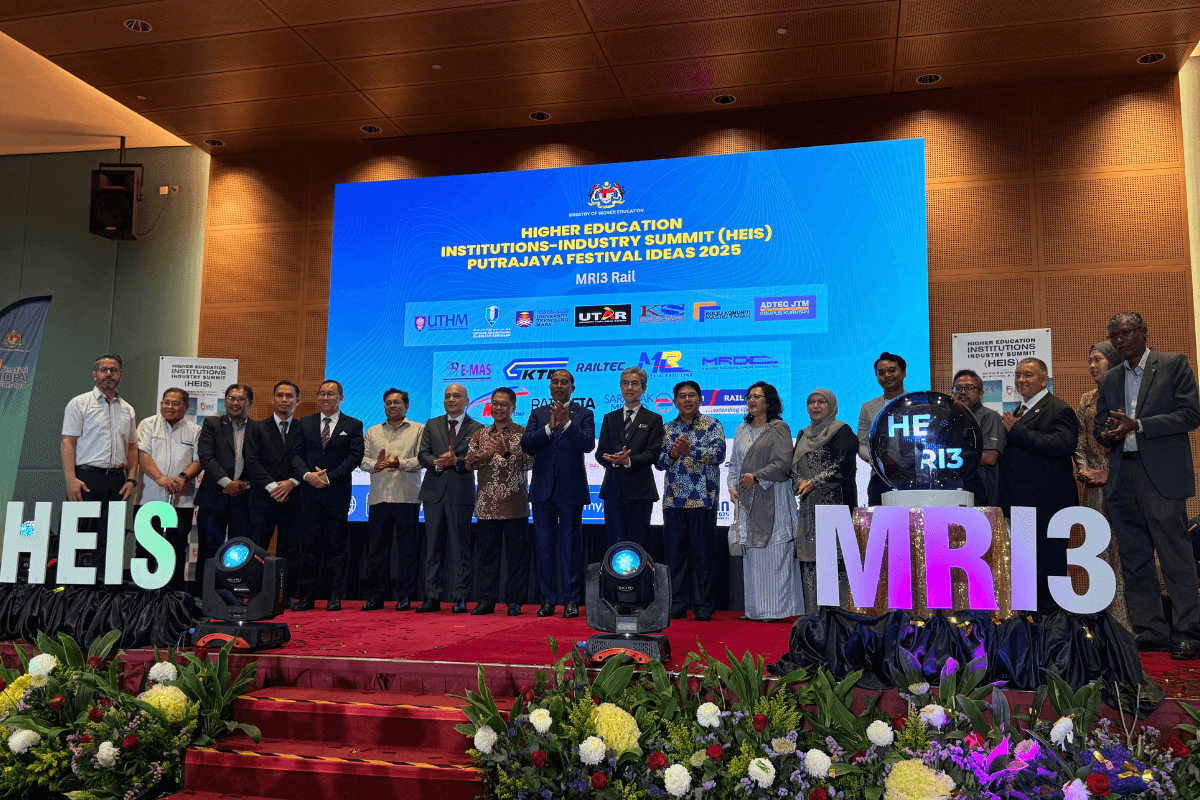
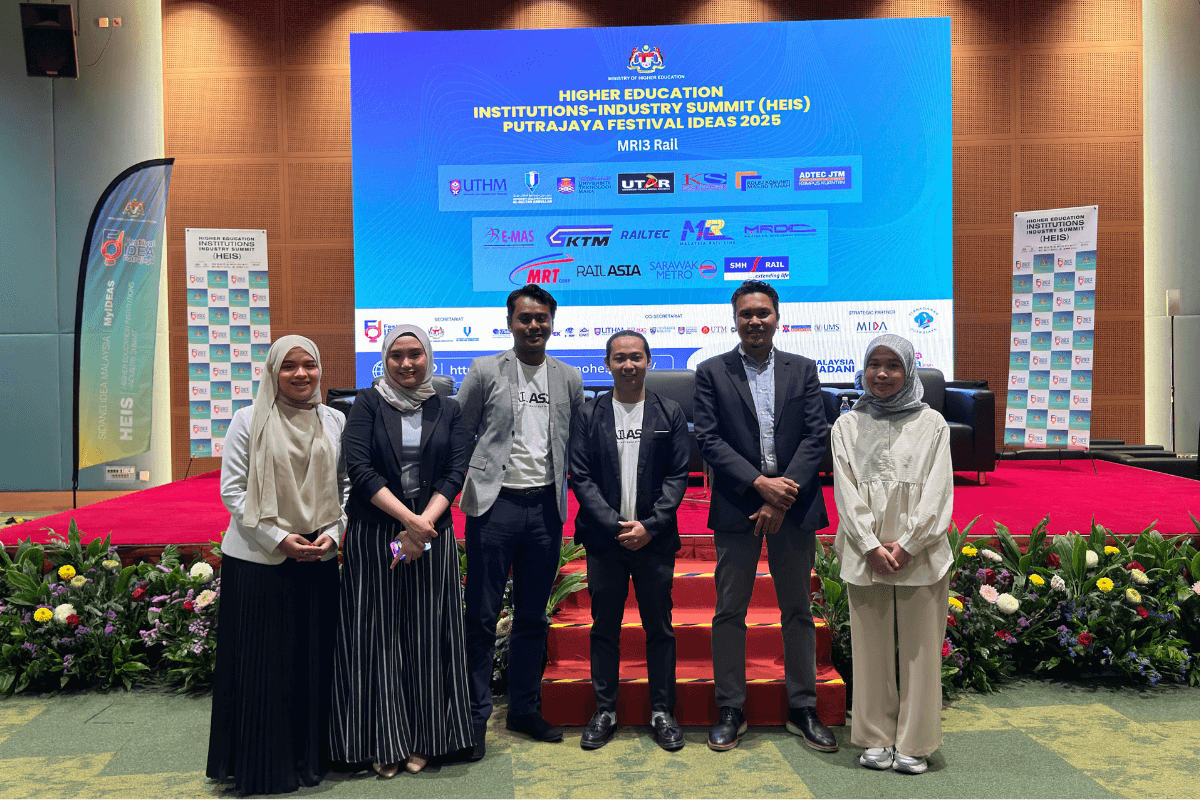
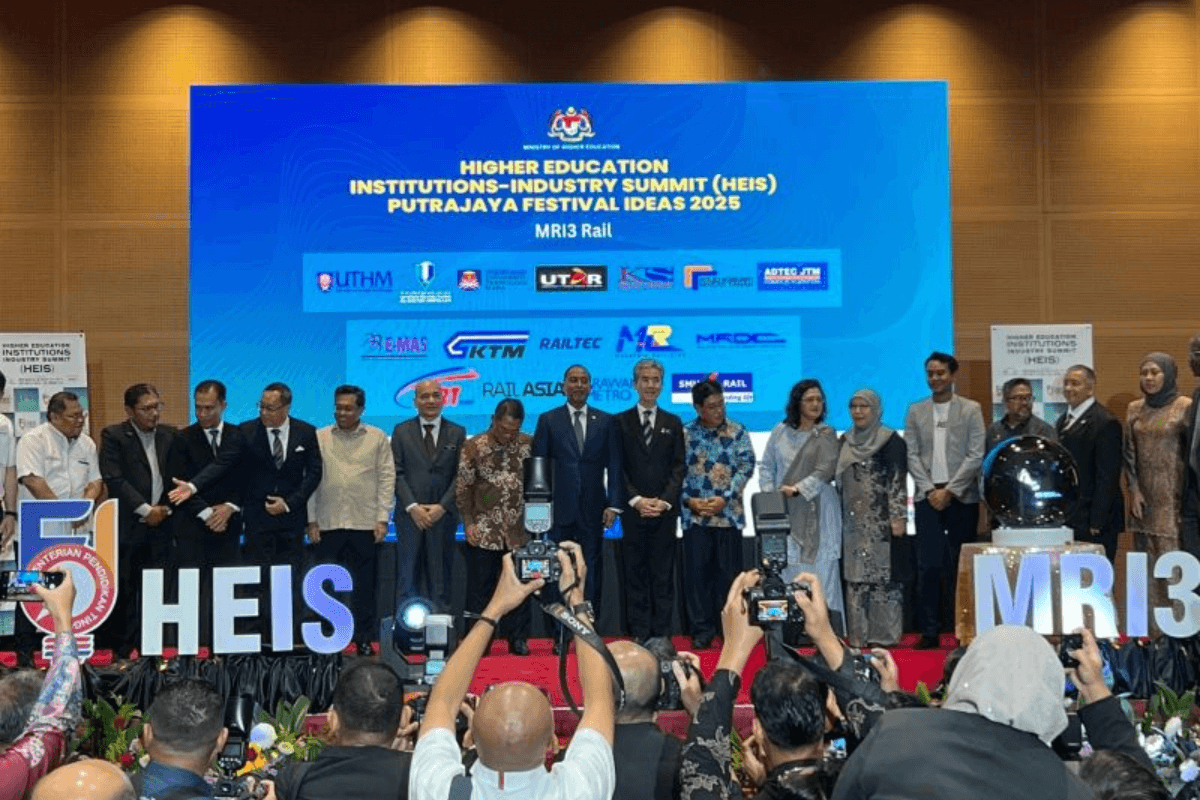
Rail Asia Becomes Industry Partner in MOHE Research and Industry–Infused Incubator (MRI3)

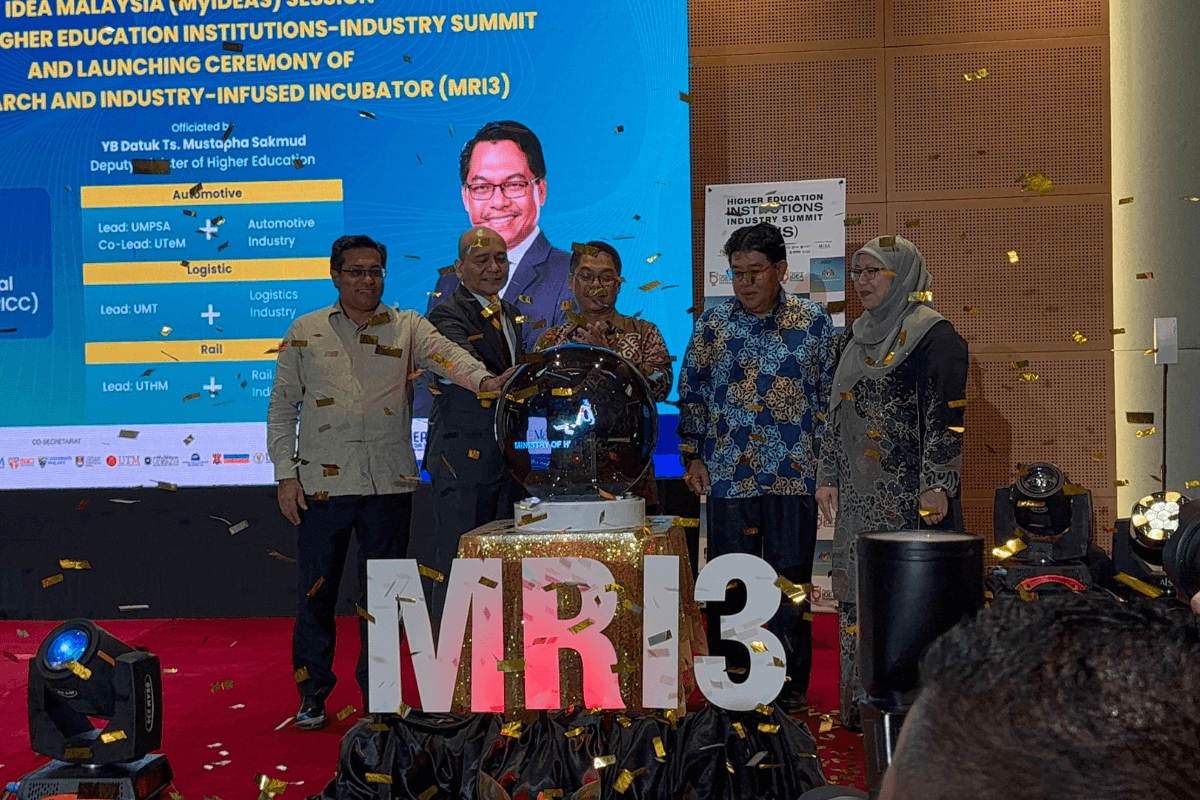
The MRI3 initiative is designed to bridge the long-standing gap between academic research and industry application. By fostering structured collaboration between universities and industry partners, the consortium enables research outcomes to be translated into viable, real-world rail solutions that address operational, technological, and sustainability challenges across the sector.

Rail Asia’s participation reflects our long-term commitment to innovation-driven growth and industry capacity building. Through this platform, we aim to contribute industry insights, support applied research, and collaborate on pilot projects that accelerate technology readiness while nurturing a future-ready rail workforce. This approach ensures that research efforts are aligned with actual industry needs and market demands.

More than a collaborative initiative, MRI3 represents a shared belief in Malaysia’s ability to deliver competitive, sustainable, and high-impact rail solutions. Rail Asia looks forward to working closely with consortium partners to drive meaningful progress, support national development goals, and contribute to the advancement of the global rail industry.

Jan 19, 2026

1 min read

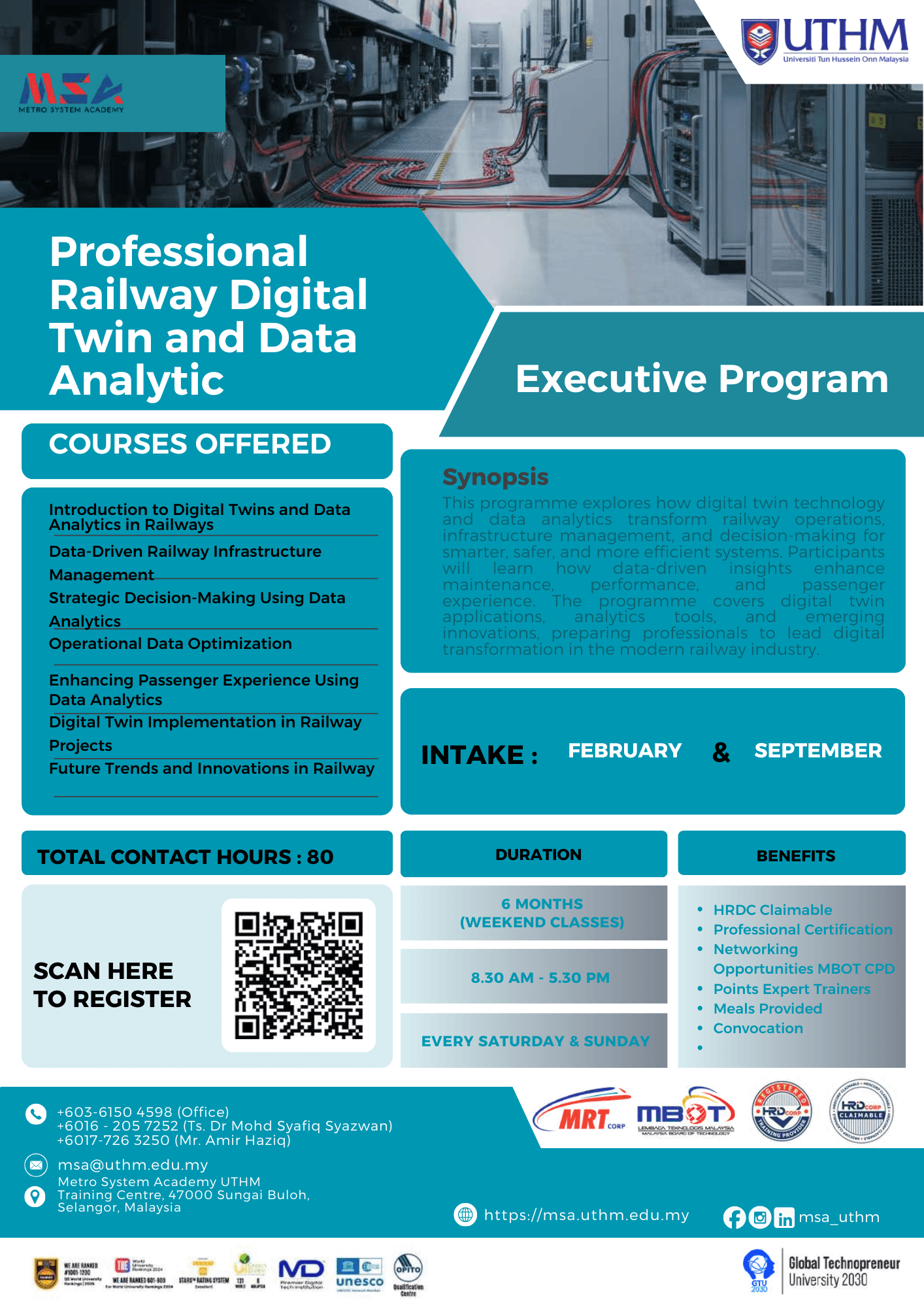
Professional Railway Digital Twin and Data Analytic

Overview

This role, Program Executive for Railway Digital Twin and Data Analytics, is a senior leadership position responsible for driving the conceptualization, development, and implementation of a comprehensive Digital Twin framework across the railway infrastructure and operations. The primary goal is to create a dynamic, virtual replica of the physical railway system. This replica integrates real-time data from various assets—including rolling stock, trackside equipment, signaling systems, and stations—to enable advanced simulation, monitoring, and predictive capabilities.

The core function of the role centers on leveraging advanced Data Analytics to derive actionable insights from the vast amounts of operational data collected and processed within the Digital Twin environment. This involves employing techniques such as Machine Learning (ML) and Artificial Intelligence (AI) for predictive maintenance, optimizing train scheduling, enhancing energy efficiency, and improving overall network reliability and safety. The Executive sets the strategic direction for data governance and the adoption of cutting-edge analytical tools.

A key aspect of the Program Executive’s accountability is strategic program management and stakeholder collaboration. They are responsible for overseeing cross-functional teams, managing large-scale budgets, and ensuring the successful delivery of complex projects within scope and timeline. Effective communication and collaboration with railway operations, engineering, IT departments, and external technology vendors are crucial to integrate the Digital Twin and data-driven solutions seamlessly into day-to-day operations.

Ultimately, the position aims to transform the railway’s operational and asset management paradigms. By championing the Digital Twin and Data Analytics program, the Executive ensures a shift from reactive to proactive decision-making, resulting in significant improvements in operational efficiency, asset utilization, and passenger experience. This leadership is vital for positioning the railway as a technologically advanced and resilient transportation network for the future.

Join Preview Session

  • Choose your session : 20 Feb 2026 | 27 Feb 2026 | 5 Mar 2026

  • 10:00 – 11:00 AM (GMT+8)

  • Online (Zoom / MS Teams)

  • Register here


Jan 19, 2026

2 min read

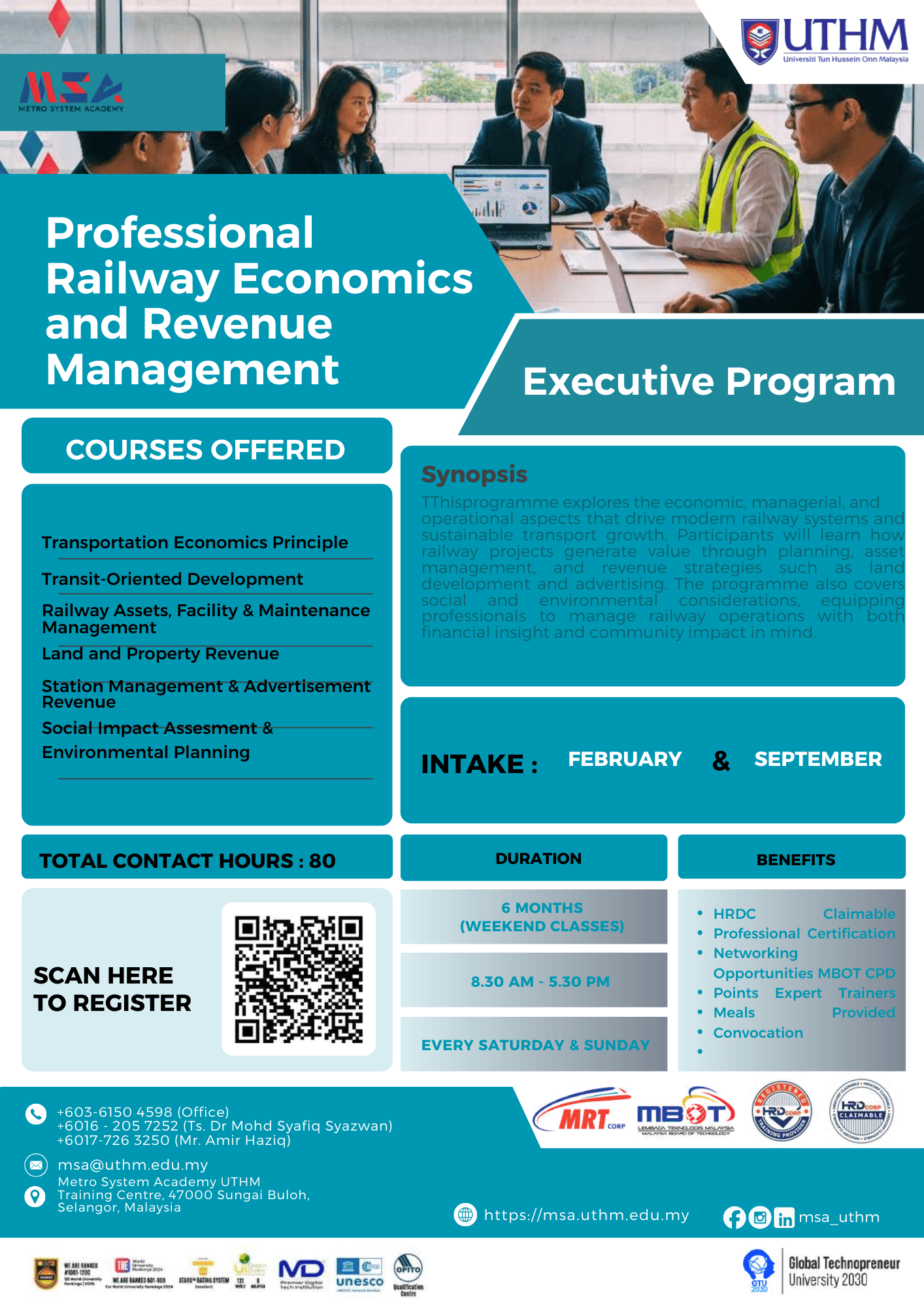
Professional Railway Economics and Revenue Management

This specialized executive program is designed to equip current and aspiring leaders in the rail industry with the critical economic and financial acumen necessary for strategic decision-making and sustainable growth. Participants will delve into the unique economic principles governing railway operations, focusing on areas such as network efficiency, cost optimization, infrastructure investment analysis, and public-private partnership modeling. The curriculum emphasizes a deep understanding of the regulatory landscape and its impact on financial performance.

A core component of the program is Revenue Management (RM), tailored specifically for the complexities of passenger and freight rail services. Attendees will master advanced pricing strategies, demand forecasting techniques, capacity allocation methods, and inventory control. The goal is to maximize revenue per available seat-mile or ton-mile by effectively utilizing Big Data and analytical tools to dynamically adjust offerings to market conditions and consumer behavior.

The four-month modular program utilizes a blend of lectures, case studies drawn from global railway best practices, and interactive simulations. It addresses modern challenges, including digitalization, competition from other transport modes, and the imperative for decarbonization. Taught by a faculty comprising leading academics and senior industry practitioners, the program fosters a holistic perspective on balancing operational excellence with financial viability.

Upon completion, graduates will possess the strategic toolkit to drive profitability, innovation, and long-term sustainability within their organizations. They will be prepared to lead complex initiatives, justify capital expenditures, and implement sophisticated revenue generation models, making them invaluable assets in the evolving global railway sector

Join Preview Session

  • Choose your session : 20 Feb 2026 | 27 Feb 2026 | 5 Mar 2026

  • 10:00 – 11:00 AM (GMT+8)

  • Online (Zoom / MS Teams)

  • Register here


Jan 19, 2026

1 min read

Rail Asia Becomes Industry Partner in MOHE Research and Industry–Infused Incubator (MRI3)

The MRI3 initiative is designed to bridge the long-standing gap between academic research and industry application. By fostering structured collaboration between universities and industry partners, the consortium enables research outcomes to be translated into viable, real-world rail solutions that address operational, technological, and sustainability challenges across the sector.

Rail Asia’s participation reflects our long-term commitment to innovation-driven growth and industry capacity building. Through this platform, we aim to contribute industry insights, support applied research, and collaborate on pilot projects that accelerate technology readiness while nurturing a future-ready rail workforce. This approach ensures that research efforts are aligned with actual industry needs and market demands.

More than a collaborative initiative, MRI3 represents a shared belief in Malaysia’s ability to deliver competitive, sustainable, and high-impact rail solutions. Rail Asia looks forward to working closely with consortium partners to drive meaningful progress, support national development goals, and contribute to the advancement of the global rail industry.

Professional Railway Digital Twin and Data Analytic

Overview

This role, Program Executive for Railway Digital Twin and Data Analytics, is a senior leadership position responsible for driving the conceptualization, development, and implementation of a comprehensive Digital Twin framework across the railway infrastructure and operations. The primary goal is to create a dynamic, virtual replica of the physical railway system. This replica integrates real-time data from various assets—including rolling stock, trackside equipment, signaling systems, and stations—to enable advanced simulation, monitoring, and predictive capabilities.

The core function of the role centers on leveraging advanced Data Analytics to derive actionable insights from the vast amounts of operational data collected and processed within the Digital Twin environment. This involves employing techniques such as Machine Learning (ML) and Artificial Intelligence (AI) for predictive maintenance, optimizing train scheduling, enhancing energy efficiency, and improving overall network reliability and safety. The Executive sets the strategic direction for data governance and the adoption of cutting-edge analytical tools.

A key aspect of the Program Executive’s accountability is strategic program management and stakeholder collaboration. They are responsible for overseeing cross-functional teams, managing large-scale budgets, and ensuring the successful delivery of complex projects within scope and timeline. Effective communication and collaboration with railway operations, engineering, IT departments, and external technology vendors are crucial to integrate the Digital Twin and data-driven solutions seamlessly into day-to-day operations.

Ultimately, the position aims to transform the railway’s operational and asset management paradigms. By championing the Digital Twin and Data Analytics program, the Executive ensures a shift from reactive to proactive decision-making, resulting in significant improvements in operational efficiency, asset utilization, and passenger experience. This leadership is vital for positioning the railway as a technologically advanced and resilient transportation network for the future.

Join Preview Session

  • Choose your session : 20 Feb 2026 | 27 Feb 2026 | 5 Mar 2026

  • 10:00 – 11:00 AM (GMT+8)

  • Online (Zoom / MS Teams)

  • Register here


Professional Railway Economics and Revenue Management

This specialized executive program is designed to equip current and aspiring leaders in the rail industry with the critical economic and financial acumen necessary for strategic decision-making and sustainable growth. Participants will delve into the unique economic principles governing railway operations, focusing on areas such as network efficiency, cost optimization, infrastructure investment analysis, and public-private partnership modeling. The curriculum emphasizes a deep understanding of the regulatory landscape and its impact on financial performance.

A core component of the program is Revenue Management (RM), tailored specifically for the complexities of passenger and freight rail services. Attendees will master advanced pricing strategies, demand forecasting techniques, capacity allocation methods, and inventory control. The goal is to maximize revenue per available seat-mile or ton-mile by effectively utilizing Big Data and analytical tools to dynamically adjust offerings to market conditions and consumer behavior.

The four-month modular program utilizes a blend of lectures, case studies drawn from global railway best practices, and interactive simulations. It addresses modern challenges, including digitalization, competition from other transport modes, and the imperative for decarbonization. Taught by a faculty comprising leading academics and senior industry practitioners, the program fosters a holistic perspective on balancing operational excellence with financial viability.

Upon completion, graduates will possess the strategic toolkit to drive profitability, innovation, and long-term sustainability within their organizations. They will be prepared to lead complex initiatives, justify capital expenditures, and implement sophisticated revenue generation models, making them invaluable assets in the evolving global railway sector

Join Preview Session

  • Choose your session : 20 Feb 2026 | 27 Feb 2026 | 5 Mar 2026

  • 10:00 – 11:00 AM (GMT+8)

  • Online (Zoom / MS Teams)

  • Register here


Professional Railway System Engineering

This Program Executive Railway System Engineering is a specialized, advanced degree designed to create high-level managers and experts in the global rail and urban transportation sectors. The primary goal is to address the need for systems-thinking leadership capable of handling the entire lifecycle of modern railway systems, from initial planning and design to maintenance and technological integration. This executive-level training is critical for professional advancement in a rapidly evolving industry.

The curriculum is structured around an intensive “Executive Sandwich Format,” often spanning approximately 15 months. This design allows busy working professionals to continue their careers while studying, with classes typically scheduled in concentrated weekly modules throughout the year. The academic framework ensures comprehensive coverage of vital subjects, including rail system planning, logistics, and urban mobility strategies.

A key strength of the program is its emphasis on applied knowledge. Students are required to undertake a significant professional assignment or internship, usually lasting several months, where they apply complex systems engineering principles to real-world projects. This practical experience is complemented by a mini-dissertation and site visits, ensuring a blend of theoretical depth and tangible problem-solving skills.

Ultimately, this program is intended to elevate participants’ expertise beyond typical engineering qualifications. By focusing on systems integration, strategic management, and innovation, it prepares graduates to lead multidisciplinary project teams and guide organizations through technological and operational challenges, positioning them for top-tier executive and leadership roles in the railway industry.

Join Preview Session

  • Choose your session : 20 Feb 2026 | 27 Feb 2026 | 5 Mar 2026

  • 10:00 – 11:00 AM (GMT+8)

  • Online (Zoom / MS Teams)

  • Register here


Rail Asia Becomes Industry Partner in MOHE Research and Industry–Infused Incubator (MRI3)

The MRI3 initiative is designed to bridge the long-standing gap between academic research and industry application. By fostering structured collaboration between universities and industry partners, the consortium enables research outcomes to be translated into viable, real-world rail solutions that address operational, technological, and sustainability challenges across the sector.

Rail Asia’s participation reflects our long-term commitment to innovation-driven growth and industry capacity building. Through this platform, we aim to contribute industry insights, support applied research, and collaborate on pilot projects that accelerate technology readiness while nurturing a future-ready rail workforce. This approach ensures that research efforts are aligned with actual industry needs and market demands.

More than a collaborative initiative, MRI3 represents a shared belief in Malaysia’s ability to deliver competitive, sustainable, and high-impact rail solutions. Rail Asia looks forward to working closely with consortium partners to drive meaningful progress, support national development goals, and contribute to the advancement of the global rail industry.

Professional Railway Digital Twin and Data Analytic

Overview

This role, Program Executive for Railway Digital Twin and Data Analytics, is a senior leadership position responsible for driving the conceptualization, development, and implementation of a comprehensive Digital Twin framework across the railway infrastructure and operations. The primary goal is to create a dynamic, virtual replica of the physical railway system. This replica integrates real-time data from various assets—including rolling stock, trackside equipment, signaling systems, and stations—to enable advanced simulation, monitoring, and predictive capabilities.

The core function of the role centers on leveraging advanced Data Analytics to derive actionable insights from the vast amounts of operational data collected and processed within the Digital Twin environment. This involves employing techniques such as Machine Learning (ML) and Artificial Intelligence (AI) for predictive maintenance, optimizing train scheduling, enhancing energy efficiency, and improving overall network reliability and safety. The Executive sets the strategic direction for data governance and the adoption of cutting-edge analytical tools.

A key aspect of the Program Executive’s accountability is strategic program management and stakeholder collaboration. They are responsible for overseeing cross-functional teams, managing large-scale budgets, and ensuring the successful delivery of complex projects within scope and timeline. Effective communication and collaboration with railway operations, engineering, IT departments, and external technology vendors are crucial to integrate the Digital Twin and data-driven solutions seamlessly into day-to-day operations.

Ultimately, the position aims to transform the railway’s operational and asset management paradigms. By championing the Digital Twin and Data Analytics program, the Executive ensures a shift from reactive to proactive decision-making, resulting in significant improvements in operational efficiency, asset utilization, and passenger experience. This leadership is vital for positioning the railway as a technologically advanced and resilient transportation network for the future.

Join Preview Session

  • Choose your session : 20 Feb 2026 | 27 Feb 2026 | 5 Mar 2026

  • 10:00 – 11:00 AM (GMT+8)

  • Online (Zoom / MS Teams)

  • Register here


Professional Railway Economics and Revenue Management

This specialized executive program is designed to equip current and aspiring leaders in the rail industry with the critical economic and financial acumen necessary for strategic decision-making and sustainable growth. Participants will delve into the unique economic principles governing railway operations, focusing on areas such as network efficiency, cost optimization, infrastructure investment analysis, and public-private partnership modeling. The curriculum emphasizes a deep understanding of the regulatory landscape and its impact on financial performance.

A core component of the program is Revenue Management (RM), tailored specifically for the complexities of passenger and freight rail services. Attendees will master advanced pricing strategies, demand forecasting techniques, capacity allocation methods, and inventory control. The goal is to maximize revenue per available seat-mile or ton-mile by effectively utilizing Big Data and analytical tools to dynamically adjust offerings to market conditions and consumer behavior.

The four-month modular program utilizes a blend of lectures, case studies drawn from global railway best practices, and interactive simulations. It addresses modern challenges, including digitalization, competition from other transport modes, and the imperative for decarbonization. Taught by a faculty comprising leading academics and senior industry practitioners, the program fosters a holistic perspective on balancing operational excellence with financial viability.

Upon completion, graduates will possess the strategic toolkit to drive profitability, innovation, and long-term sustainability within their organizations. They will be prepared to lead complex initiatives, justify capital expenditures, and implement sophisticated revenue generation models, making them invaluable assets in the evolving global railway sector

Join Preview Session

  • Choose your session : 20 Feb 2026 | 27 Feb 2026 | 5 Mar 2026

  • 10:00 – 11:00 AM (GMT+8)

  • Online (Zoom / MS Teams)

  • Register here


Professional Railway System Engineering

This Program Executive Railway System Engineering is a specialized, advanced degree designed to create high-level managers and experts in the global rail and urban transportation sectors. The primary goal is to address the need for systems-thinking leadership capable of handling the entire lifecycle of modern railway systems, from initial planning and design to maintenance and technological integration. This executive-level training is critical for professional advancement in a rapidly evolving industry.

The curriculum is structured around an intensive “Executive Sandwich Format,” often spanning approximately 15 months. This design allows busy working professionals to continue their careers while studying, with classes typically scheduled in concentrated weekly modules throughout the year. The academic framework ensures comprehensive coverage of vital subjects, including rail system planning, logistics, and urban mobility strategies.

A key strength of the program is its emphasis on applied knowledge. Students are required to undertake a significant professional assignment or internship, usually lasting several months, where they apply complex systems engineering principles to real-world projects. This practical experience is complemented by a mini-dissertation and site visits, ensuring a blend of theoretical depth and tangible problem-solving skills.

Ultimately, this program is intended to elevate participants’ expertise beyond typical engineering qualifications. By focusing on systems integration, strategic management, and innovation, it prepares graduates to lead multidisciplinary project teams and guide organizations through technological and operational challenges, positioning them for top-tier executive and leadership roles in the railway industry.

Join Preview Session

  • Choose your session : 20 Feb 2026 | 27 Feb 2026 | 5 Mar 2026

  • 10:00 – 11:00 AM (GMT+8)

  • Online (Zoom / MS Teams)

  • Register here


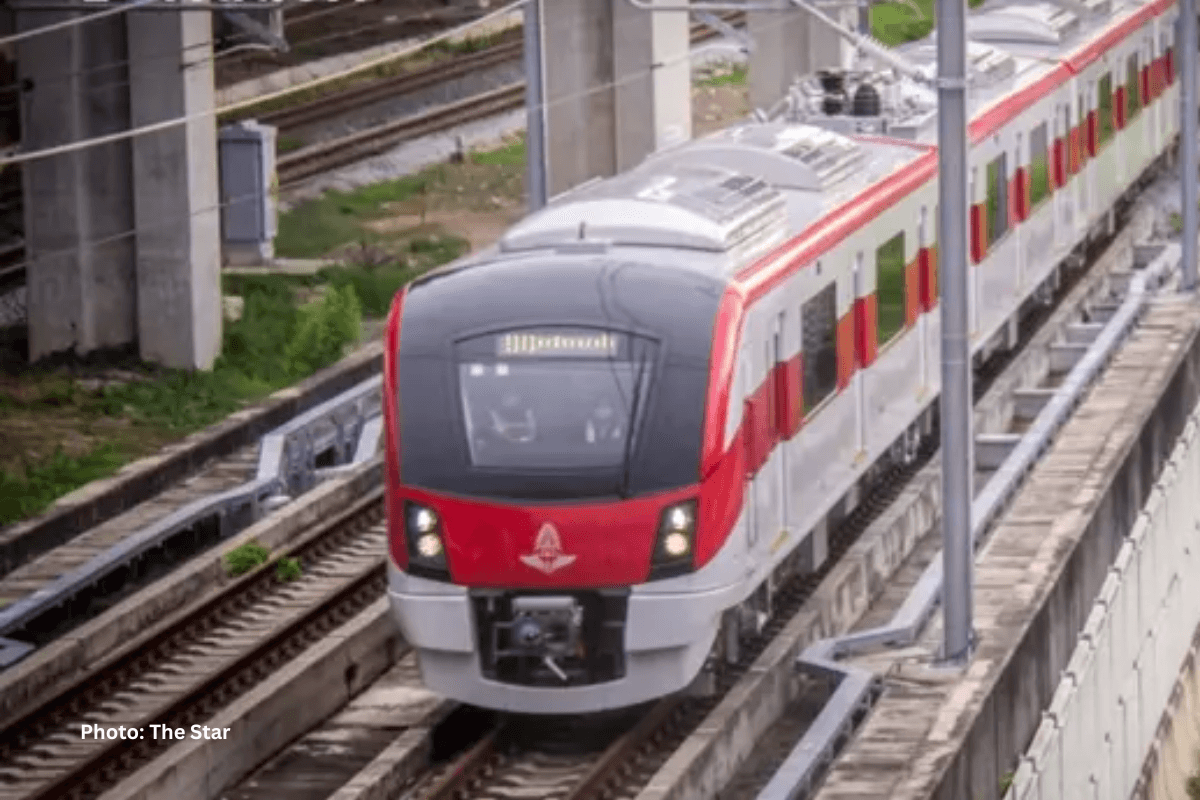
Thailand Accelerates Red Line Commuter Rail Extensions, Driving Significant Infrastructure Investment

BANGKOK, January 2026 — As Asian megacities continue to expand rapidly, the demand for robust and integrated public transportation systems is increasing. Metro networks are proving essential for managing urban mobility challenges and promoting sustainable development across the region.

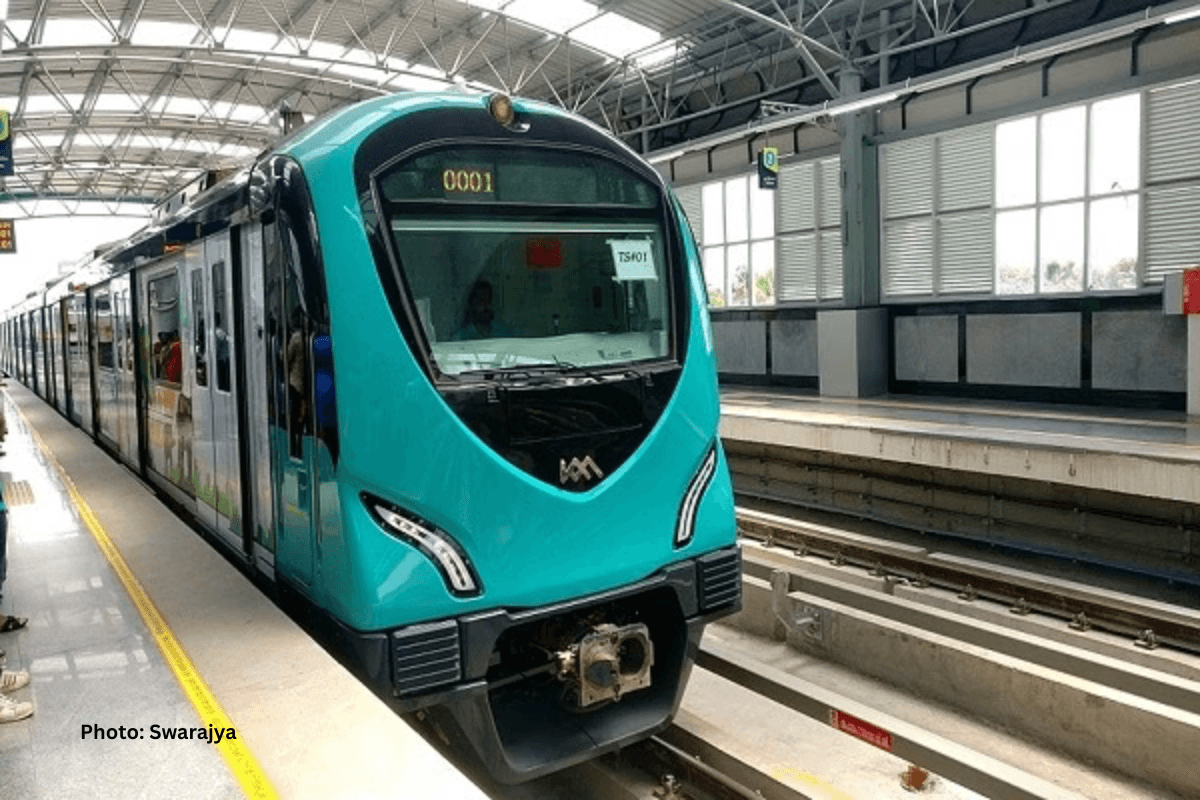
The Kochi Metro network concluded 2025 with record-breaking passenger figures, serving over 36.5 million passengers on its rail services and more than 2.3 million on its water metro. On New Year’s Day, over 160,000 passengers used the combined services, highlighting peak demand periods.

This surge in ridership reflects strong public trust in well-managed urban rail systems, driven by factors such as punctuality, cleanliness, and enhanced connectivity. Integrated feeder services further underline the importance of multimodal transport solutions in improving commuter convenience.

Specific events, including the Kochi-Muziris Biennale, significantly boosted water metro usage, demonstrating how cultural and tourism initiatives can synergize with public transport. Operational efficiency and high-quality customer service were cited as key drivers of passenger confidence.

The performance of Kochi Metro serves as a compelling case study for other Asian cities investing in and expanding rail infrastructure, showcasing the potential for significant passenger adoption and operational success in the evolving urban transport landscape.

Source: The Star

China's Strategic Rail Expansion Targets 60,000km High-Speed Network by 2030

China’s commitment to advancing its national rail infrastructure continues to set global benchmarks, particularly under the 2026–2030 five-year plan. Expanding high-speed rail capacity remains central to the country’s broader economic and connectivity objectives.

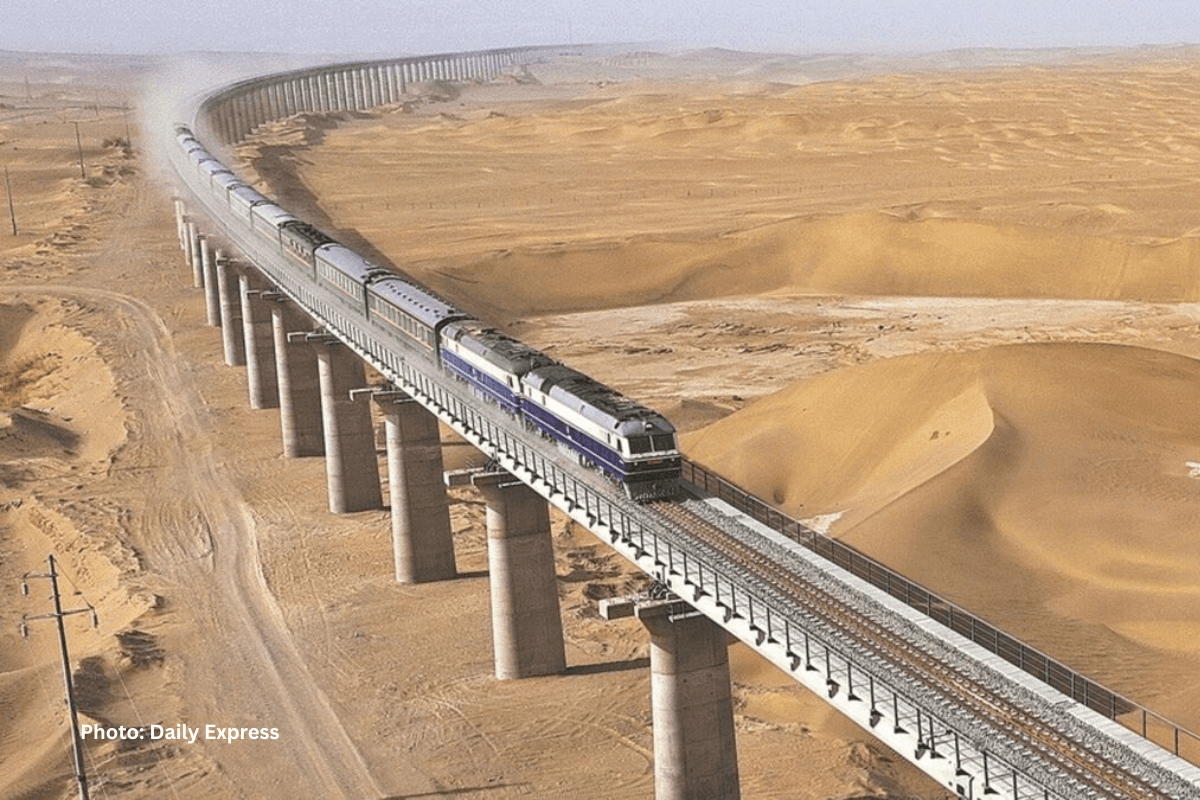
The national railway operator has outlined plans to extend China’s total rail network to approximately 180,000 km by 2030, with 60,000 km of high-speed lines, representing a 19% expansion over the next five years. This follows rapid growth between 2021 and 2025, during which high-speed rail mileage increased by nearly 33%.

This planned expansion will further integrate China’s vast territory, stimulate economic activity, and enhance passenger mobility. For industry stakeholders, it presents ongoing opportunities in advanced rail technology, construction, and operational management, reinforcing China’s leadership in large-scale rail projects.

China State Railway Group emphasizes that its existing high-speed rail network is the world’s largest, with technological advancements that serve as an international benchmark. Continued investment in this sector aims to sustain this leadership and influence the future direction of rail development across Asia and beyond.

Source: South China Morning Post

Join Asia Rail Professionals

Join Asia Rail Professionals

Join Asia Rail Professionals
Be part of Asia Rail Professionals, a regional community powered by Rail-Asia.com. Discover rail job opportunities, industry news, learning resources, and connect with rail professionals across Asia.

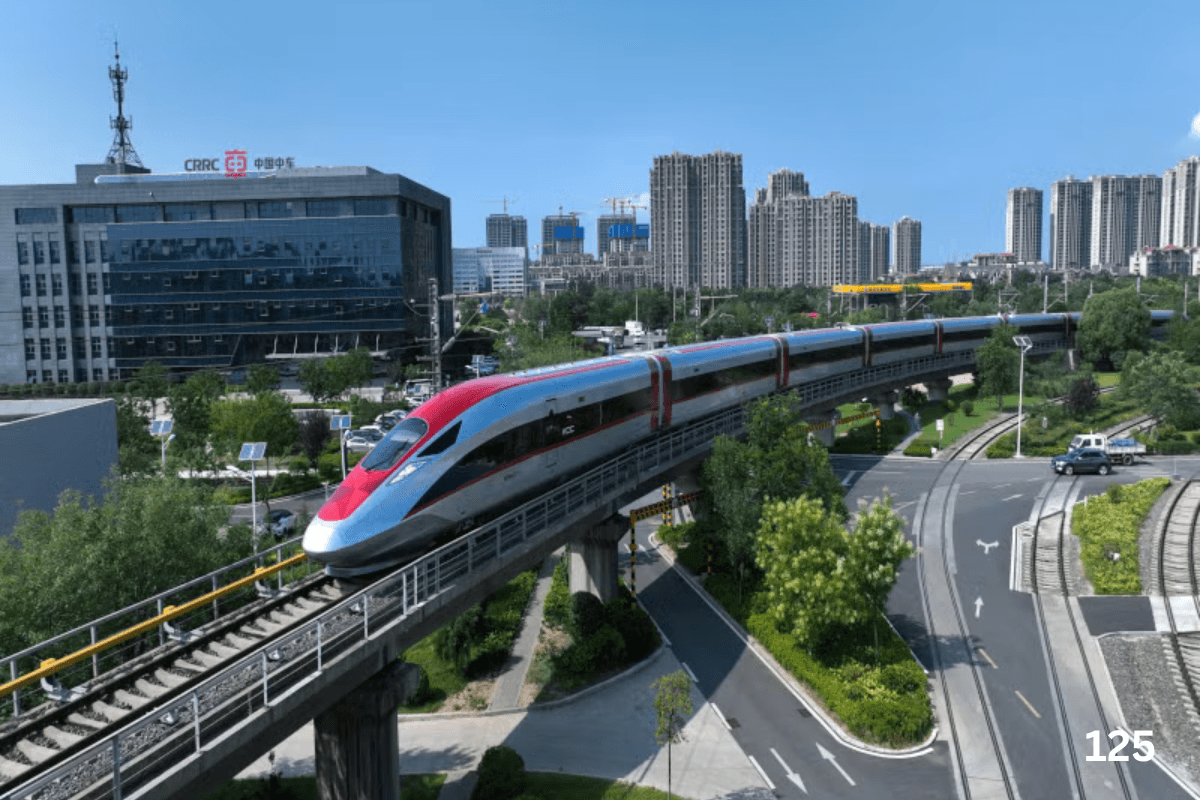
The Environmental Impact Assessment (EIA) for the approximately 9.9 km Green Line, which is planned to run from the future high-speed rail station in Pattaya through the city centre to Bali Hai Pier, is currently being finalised and expected to be submitted shortly for review. The project is intended to be delivered under a public-private partnership (PPP) model.

Once the EIA is completed and submitted, the next steps include a feasibility study by the National Economic and Social Development Council (NESDC), followed by Cabinet approval of the investment model. If these approvals proceed smoothly, the project will advance to the procurement and construction stage.

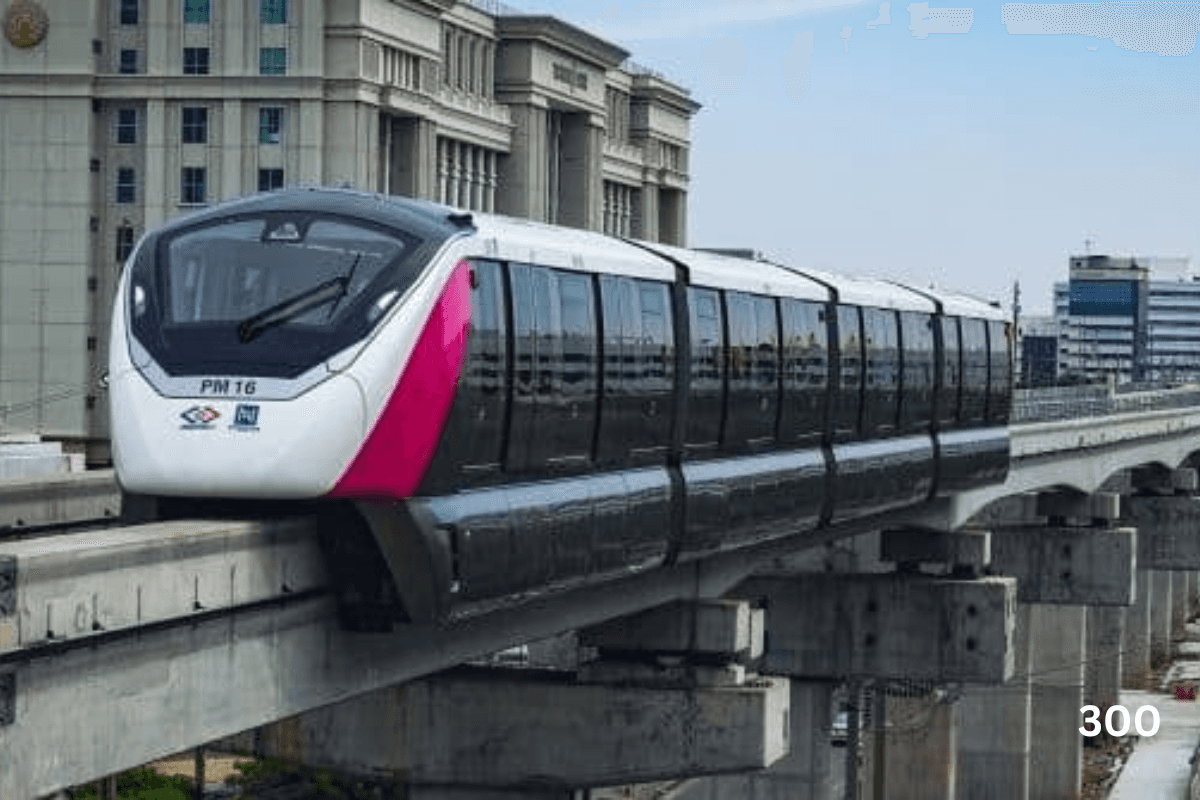
The Green Line is envisioned as the pilot route of a wider four-line monorail network in Pattaya, which also includes the Yellow, Purple, and Red Lines. The Purple Line, stretching about 11.4 km, is expected to enter the next phase of planning, with construction anticipated to begin in 2027.

By enhancing connectivity within Pattaya especially between the planned high-speed rail hub, the city centre, and coastal destinations like Bali Hai Pier the project aims to support both tourist mobility and local economic activity. It also aligns with Thailand’s broader goals of modernising public transport infrastructure and improving regional intercity links.

While major design, approval, and investment decisions are still underway, the Pattaya monorail initiative reflects the city’s aspiration to become a more connected, sustainable, and tourism-friendly urban centre.

Source: International Railway Journal
The Environmental Impact Assessment (EIA) for the approximately 9.9 km Green Line, which is planned to run from the future high-speed rail station in Pattaya through the city centre to Bali Hai Pier, is currently being finalised and expected to be submitted shortly for review. The project is intended to be delivered under a public-private partnership (PPP) model.

Once the EIA is completed and submitted, the next steps include a feasibility study by the National Economic and Social Development Council (NESDC), followed by Cabinet approval of the investment model. If these approvals proceed smoothly, the project will advance to the procurement and construction stage.

The Green Line is envisioned as the pilot route of a wider four-line monorail network in Pattaya, which also includes the Yellow, Purple, and Red Lines. The Purple Line, stretching about 11.4 km, is expected to enter the next phase of planning, with construction anticipated to begin in 2027.

By enhancing connectivity within Pattaya especially between the planned high-speed rail hub, the city centre, and coastal destinations like Bali Hai Pier the project aims to support both tourist mobility and local economic activity. It also aligns with Thailand’s broader goals of modernising public transport infrastructure and improving regional intercity links.

While major design, approval, and investment decisions are still underway, the Pattaya monorail initiative reflects the city’s aspiration to become a more connected, sustainable, and tourism-friendly urban centre.

Source: International Railway Journal
The Environmental Impact Assessment (EIA) for the approximately 9.9 km Green Line, which is planned to run from the future high-speed rail station in Pattaya through the city centre to Bali Hai Pier, is currently being finalised and expected to be submitted shortly for review. The project is intended to be delivered under a public-private partnership (PPP) model.

Once the EIA is completed and submitted, the next steps include a feasibility study by the National Economic and Social Development Council (NESDC), followed by Cabinet approval of the investment model. If these approvals proceed smoothly, the project will advance to the procurement and construction stage.

The Green Line is envisioned as the pilot route of a wider four-line monorail network in Pattaya, which also includes the Yellow, Purple, and Red Lines. The Purple Line, stretching about 11.4 km, is expected to enter the next phase of planning, with construction anticipated to begin in 2027.

By enhancing connectivity within Pattaya especially between the planned high-speed rail hub, the city centre, and coastal destinations like Bali Hai Pier the project aims to support both tourist mobility and local economic activity. It also aligns with Thailand’s broader goals of modernising public transport infrastructure and improving regional intercity links.

While major design, approval, and investment decisions are still underway, the Pattaya monorail initiative reflects the city’s aspiration to become a more connected, sustainable, and tourism-friendly urban centre.

Source: International Railway Journal